
There is no such thing as a baby, there is a baby and someone.’
Donald Woods Winnicott
I have just arrived back in the UK from Finland where we worked with a large group of mental health professionals, including social workers, family therapists, domestic abuse specialists and meeting supervisors (called contact supervisors in the UK). What was striking about working in Helsinki, was the focus upon the psychodynamics of family life, including the attention paid to transgenerational trauma repetition in families experiencing all forms of abuse. This focus, which includes a psychodynamic understanding of the transgenerational nature of domestic abuse, translates into a wide range of family focused services which are designed to give children the very best start in life. Working with the concept of relational trauma in divorce and separation and the way in which it manifests when a child becomes hyper aligned with one parent and rejecting of the other, was extraordinarily easy in an environment where practitioners are used to considering all the ways in which children become triangulated into adult matters. Protecting the abused parent and child dyad, in circumstances where a child is being manipulated and drawn into the adult dynamics of divorce, is easier when practitioners understand the psychological aspects of this process. The absence of parental rights ideology in support services, means that barriers to understanding and utilising a child protection approach for working with this problem are low.
Child Protection Pathway
The protection of the abused child and parent in circumstances where children hyper align with a parent and are rejecting and often contemptuous and disdainful alongside this, is an essential part of ensuring that the impact of the abuse on the child is limited. The Family Separation Clinic uses a child protection pathway to assist with this process, which is readily translatable into languages other than English and which fits with the statutory responsibilities of social workers to ensure that abused children are protected from harm. The pathway begins with understanding the problem of children’s alignment and rejection through a psychoanalytical/psychodynamic lens and takes practitioners through a series of steps towards treatment which is based on structural therapy.
Differentiating the presentation of children’s alignment and rejection responses and the contributing factos to this, is a key element in ensuring that false claims that a child is being alienated are identified. This part of the process is interlinked with the oversight of the Family Court, where Judges make decisions about patterns of behaviours impacting upon the child’s responses to parents and whether these constitute emotional and psychological harm. In the UK, where the Children Act 1989 governs decisions about such harm, interventions to protect the child occur when the welfare threshold has been met, this may involve removing a child from an abusive parent, or directing other interventions provide protection.
Constraining the behaviour of a parent who is abusing a child is properly the role of the state in a child protection process. Protection of the child over the short or longer term is easier to determine when the family has been under controlled scrutiny for a long enough period of time to allow for disguised compliance to fall away. This is because many parents are capable of behaving better when under scrutiny but over time the tendency to drift back to what is considered ‘normal’ behaviour emerges. Testing whether constraining harmful behaviours in a parent has an impact upon the child’s splitting defence, which is the key behavioural indicator that a child is being harmed in such circumstances, can be undertaken by social workers when they understand the psychodynamics of the child’s behaviours.
Psychodynamic Understanding
Splitting is the key behavioural presentation which gives cause for further investigation, especially when this is accompanied by levels of contempt and disdain for the parent in the rejected position (Miller, 2018). Hatred, as evidenced by contempt and disdain towards parents, does not arise naturally in children and those who reject in this way are often seen to be in an omnipotent position within the family system (Aledort, 2002). This omnipotence demonstrates that the child is trying to manage the family system due to dynamics which feel frightening and out of control. (Howell, 2002). Contrary to the claim that children can and do reject parents who are abusive, research evidence demonstrates that a child is more likely to try and placate an abusive parent than reject them with contempt. (Fonagy, et al, 2002; Freud, 1966; Reid, et al, 2013; Howell, 2014, Goodwin, 2019).
Unearthing the dynamics which cause the child to reject in this way is a project which is properly the role of social workers, who have the statutory power to address the underlying dynamics which may be abusive to the child which the alignment and rejection dynamic, signals, is occurring.
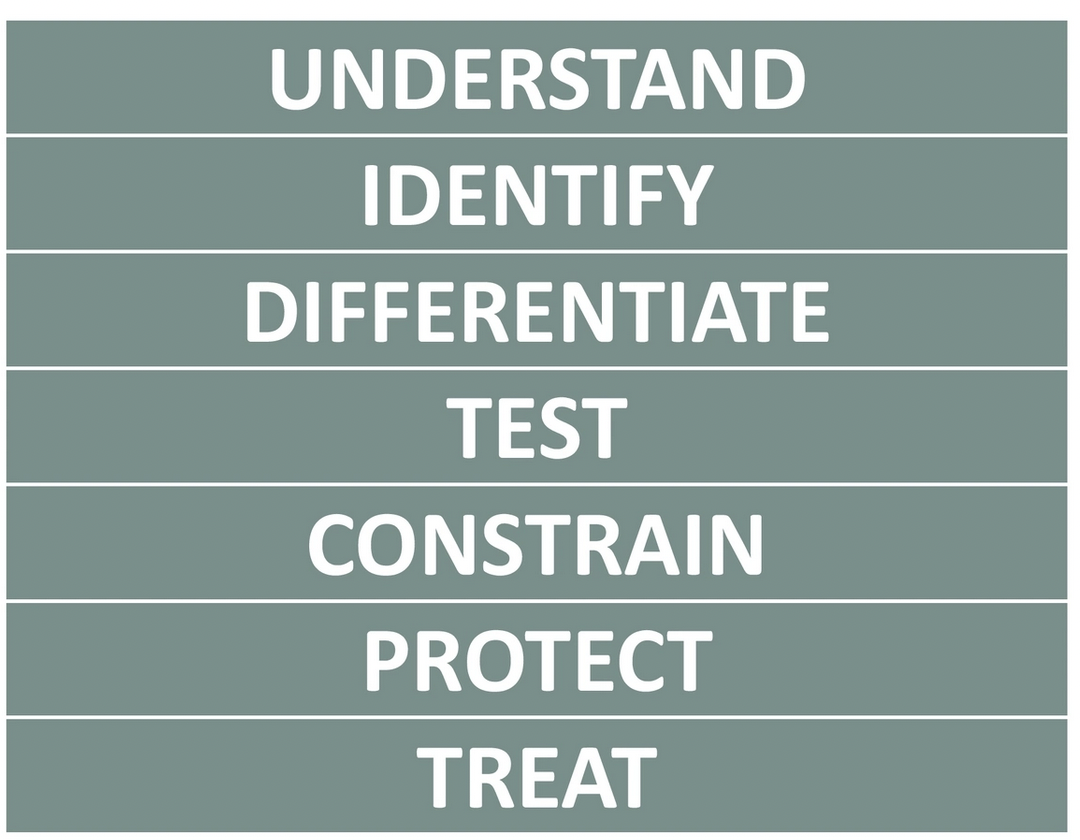
Treatment of the child who has been induced into psychological splitting which is an infantile defence, relies upon the proximity of the child to the attachment figure they have rejected. Treatment is undertaken when it has been found that a child has been emotionally and/or psychologically harmed and is focused upon structural approaches which peturb and manage a family system which has been manipulated by a parent who has held power and control over the child. Those parents who are able to change their behaviours during this treatment phase, who recognise the harm that they have caused, are supported to begin care responsibilities again. Those who cannot or will not change their behaviours, are considered to be an ongoing risk due to the child’s latent vulnerability to the manipulative force of the views and behaviours of such a parent.
Protecting the Abused Parent/Child Dyad
The proximity of the child to a parent who has been forced out of their children’s lives due to a pattern of coercive control of the child and parent, is an essential step towards integration for this dyad. These are parent/child dyads who have been abused and whose needs are not well recognised (yet) across the world. When social workers understand the harm caused to children who become triangulated into adult matters through manipulation and control, it is easier to create protective shields to enable the attachment bonds to (re)emerge. Protective shield can include periods of time in which the child does not spend time with the manipulative/abusive parent, in order that the child does not re-enter the double bind position of having to regulate or placate that parent.
Working with the abused parent/child dyad requires trauma focused recovery work due to the impact of coercive control strategies by the abusive parent. Both parent and child in such circumstances, are seen to display signs of reactive splitting which at times, especially in younger children, can appear to be dissociative in nature. This is because being placed into a double bind position of being conscious that a child is being harmed, in a situation where there is little understanding of that harm and where the rejected parent is being blamed for or at least suspected of being the cause of that harm, is deeply traumatising. For children who reject parents, the double bind of being controlled by an abusive parent who is frightening but who, through the mechanism of defensive splitting, becomes someone who must be placated and regulated reflexively, means that an integrated sense of self has been compromised. Trauma work includes attending to the way in which children and parents in recovery from this form of abuse, move through stages of integration and destabilisation. Working with the concept of splitting as described by Fisher (2017), allows for attention to the myriad ways that children’s attachment adapatations have allowed the attempt to go on with life as normal, whilst experiencing the deeper harms which are caused by being triangulated into adult matters.
Working with the concept of self parts, alienated children’s maladaptive attachments can be more readily understood, this allows mental health practitioners to more easily understand and treat the problems which are seen in this group of families. This work is the focus of my doctoral thesis which is examining how a therapeutic approach to healing the harms caused to the abused child in divorce and separation can be based upon the lived experience of alienated children.
Relational Trauma
As British Psychotherapists all of our work is focused upon relationships and the trauma which occurs in childhood for some families in divorce and separation. As such, our work is focused upon those children who display their attachment maladaptations through the red flag of hyper alignment and corresponding rejection, which is the only way a child can show that they are not coping with the adult dynamics around them. Working with domestic abuse specialists in Finland demonstrates that the issue of children’s rejection of parents which is caused by manipulative and controlling parents, can be considered within the whole range of issues which are considered to be harmful to children. This is because domestic abuse is recognised in Finland as being a transgenerational family dynamic which involves the whole family system, which is a psychological rather than ideological approach to understanding and healing. This means that fathers as well as mothers who manipulate and control their children are more readily recognised, which provides a greater capacity to protect abused parents and their children.
Working with alienation of children as a relational trauma enables mental health practitioners to more readily understand and utilise the skill sets which are required to help and heal so that the impacts on children are treated and longer term protection from recycling of this transgenerational relationship trauma can be established. This approach enables the existing psychological literature as well as the neuroscience and traumatology (Shaw, 2023) to be utilised in the pursuit of the full recovery of abused parents and their children in divorce and separation.
References
Aledort S. L. (2002). The omnipotent child syndrome: the role of passionately held bad fits in the formation of identity. International journal of group psychotherapy, 52(1), 67–87. https://doi.org/10.1521/ijgp.52.1.67.45467 Format:
Fonagy, P., Gergely, G., Juist, E. L., & Target, M. (2002). Affect regulation, mentalization, and the development of the self. New York, NY: Other Press.
Fisher, J. (2017). Healing the fragmented selves of trauma survivors: Overcoming internal self-alienation. Routledge/Taylor & Francis Group.
Freud, A. The Ego and the Mechanisms of Defence. New York: International Universities, 1966.
Goodwin, J. (2019)The dissociative mind in psychoanalysis: understanding and working with trauma,Journal of Trauma & Dissociation,20:1,131-132,DOI: 10.1080/15299732.2018.1502572
Howell, E. F. (2002). Back to the ‘States’: Victim and Abuser States in Borderline Personality Disorder. Psychoanalytic Dialogues, 12(6), 921-957.
Howell E. F. (2014). Ferenczi’s concept of identification with the aggressor: understanding dissociative structure with interacting victim and abuser self-states. American journal of psychoanalysis, 74(1), 48–59. https://doi.org/10.1057/ajp.2013.40 Format:
Reid, Joan A., et al. “Contemporary Review of Empirical and Clinical Studies of Trauma Bonding in Violent or Exploitative Relationships.” International Journal of Psychology Research 8, no. 1 (2013): 37–73.
Shaw, D. (2023) Shame and Self-Alienation: A Trauma-Informed Psychoanalytic Perspective,Psychoanalytic Inquiry,DOI: 10.1080/07351690.2023.2226021
Family Separation Clinic – Autumn Course and Circles
Due to ongoing development work, the menu of courses and circles is limited this term – we will return to a full programme in the New Year.
This means that our Higher Level Understanding Courses, which run on from Holding up a Healthy Mirror, will run from the New Year for UK/Europe and North America and separately for Australia/New Zealand and Far East time zones. Booking will open shortly.
Holding up a Healthy Mirror will become a watch on demand foundational training which leads on to live delivery of Higher Level Understanding.
This learning is supported by drop in listening and learning circles which will run weekly from early 2024.
The training in therapeutic parenting which is in development at the Family Separation Clinic is intended to provide continuous and consistent learning opportunities which assist parents to reframe their understanding of their role from rejected parent to that of therapeutic parent capable of helping children to heal from this trans-generational relational trauma. This training is being continuously evaluated for its impact on the recovery process of the abused parent/child dyad and shows significant promise in terms of relational healing. We aim to progress to certification of this training in 2024.
Therapeutic Parenting Intensives 2024
We will deliver four day intensives in Therapeutic Parenting for parents and family members as follows –
California – This date has been moved to March 2024 due to procedural requirements for delivery – full details of date and location will be available and booking will be open shortly.
UK – July 2024 – Full details of date and location and booking will be open shortly.
Intensives in 2025
We intend to run intensives in Australia and Canada in 2025
Courses
Holding up a Healthy Mirror
Children who hyper-align with one parent and reject the other, in divorce and separation, can be helped when one of their parents is able to understand their experience and, in response, hold up a healthy mirror. When the holding of this mirror is consistent, the child who has suffered from induced psychological splitting, which is demonstrated by aligning themselves with one parent and rejecting the other, can experience an integrated sense of self which assists in recovery.
In order to hold up a healthy mirror, the parent in the rejected position must first address the reactive splitting that they are likely to have suffered. Reactive splitting, which occurs when the child rejects, (often accompanied by false allegations), can cause a parent to feel natural reactions such as anger, bewilderment and shame. These feelings, which are normal in the circumstances, can become blocks and barriers to the child’s recovery as the parent refutes the allegations and shows the child their reactive feelings. In these circumstances, the child withdraws further, struggling with their own guilt and shame and begins to split off their feelings further.
Restoring health to rejected parents begins with an understanding of what has happened internally and how that has become entangled with the child’s own splitting reactions. When parents are able to map this splitting across the family system, their own reactive splitting can integrate and they can begin the work of developing the healthy mirror needed by the child.
Parents who have healed reactive splitting can then learn to apply the skills of therapeutic parenting. This is an approach to parenting children who are suffering from attachment disorder due to being emotionally and psychologically harmed. Alienated children with therapeutic parents, are shown in evaluation, to be able to recover quickly from the underlying harms which have caused their rejecting behaviours.
On this course you will learn:
- What psychological splitting is, how it occurs and why
- How to identify your own reactive splitting
- How to integrate split thinking in a fractured landscape
- How to build integrated thinking strategies
- What to embrace and what to avoid when rebuilding health in the face of alienation
- How to build the healthy mirror your child needs
- Mentalisation strategies for mirroring health
- The power and importance of consistent mirroring
- How other parents have used integrated mirroring to bring their children back to health
- Therapeutic parenting – an integrated skills set
- Building a consistent communications strategy for recovering your children
- Working with the counter intuitive approach necessary to enable alienated children to withdraw their projections
- Staying healthy amidst the chaos caused by psychological splitting
Based on successful work with many families around the world, Karen Woodall will share with you the deep knowledge of how to recover children from the nightmare landscape of psychological splitting. Karen has helped families to rebuild health and wellbeing with children of all ages and has developed a structural approach to working with alienation which is easily translated into strategies which can be used by parents.
Please note:
A link to the event will be emailed to you, separately. This may not be sent until a few hours before the session is due to begin. If you have not received the link, please check your spam folders. If you are still unable to find the email, please contact parenting@familyseparationclinic.co.uk
You can find our terms and conditions here
Holding up a healthy mirror (North America and Europe time zones)
Mon 2 Oct 2023 – Mon 23 Oct 2023
Online, Zoom link will be sent immediately prior to event
Holding up a healthy mirror: Becoming a therapeutic parent to alienated children
An online course for parents of alienated children and their families with Karen Woodall
The course will be delivered on Zoom, in 4 x two-hour sessions, on the following dates:
- 2 October 2023
- 9 October 2023
- 16 October 2023
- 23 October 2023
Sessions will begin at 18:00 UK time.
To check your local start time, please click the following link and enter 18:00 – 2023-10-02 – London in the right-hand boxes, here: https://dateful.com/time-zone-converter
NB: The start time is set to accommodate attendees living in North America and Europe time zones, however those living in other parts of the world are welcome to attend this course.
A Zoom link for this event will be emailed approximately 30 minutes prior to the start of the first session. This link should be used for all sessions.
Cost £180 .00
BOOK HERE
Holding up a healthy mirror (Australia, New Zealand and Far East time zones)
Tue 31 Oct 2023 09:00 – Fri 3 Nov 2023 11:00 GMT
Online, Zoom link will be sent immediately prior to event
Holding up a healthy mirror: Becoming a therapeutic parent to alienated children
An online course for parents of alienated children and their families with Karen Woodall
The course will be delivered on Zoom, in 4 x two-hour sessions, on the following dates:
- 31 October 2023
- 1 November 2023
- 2 November 2023
- 3 November 2023
Sessions will begin at 09:00 UK time.
To check your local start time, please click the following link and enter 09:00 – 2023-10-31 – London in the right-hand boxes, here: https://dateful.com/time-zone-converter
NB: The start time is set to accommodate attendees living in Australia, New Zealand and Far East time zones, however those living in other parts of the world are welcome to attend this course.
A Zoom link for this event will be emailed approximately 30 minutes prior to the start of the first session. This link should be used for all sessions.
Cost £180 .00
BOOK HERE
Listening Circles
Listening circles are drop in sessions which run for two hours on Tuesdays at 6pm UK time. These circles are intended to give low cost ongoing support to families coping with children’s alignment and rejection behaviours. The cost for attendance at a circle is £40 per person, each person who purchases a ticket can choose to share the link with two friends or family members who can connect to the circle in their own home (ie: you do not have to be together to attend).
10th October – Understanding Therapeutic Parenting
24th October – Working with the language of parts with alienated children
21st November – Therapeutic Parenting Q&A session
5th December – Understanding the recovery journey of the alienated child
12th December – Encircling with love a circle for recovering children and family members
BOOK HERE
Specialist Seminars
We will be delivering specialist seminars on an occasional basis and some of these will be available to watch on demand in the New Year. I will post details of these as they become available and you can find out more at the Family Separation Clinic website.

 Karen Woodall - Psychotherapist, Writer, Supervisor, Trainer