
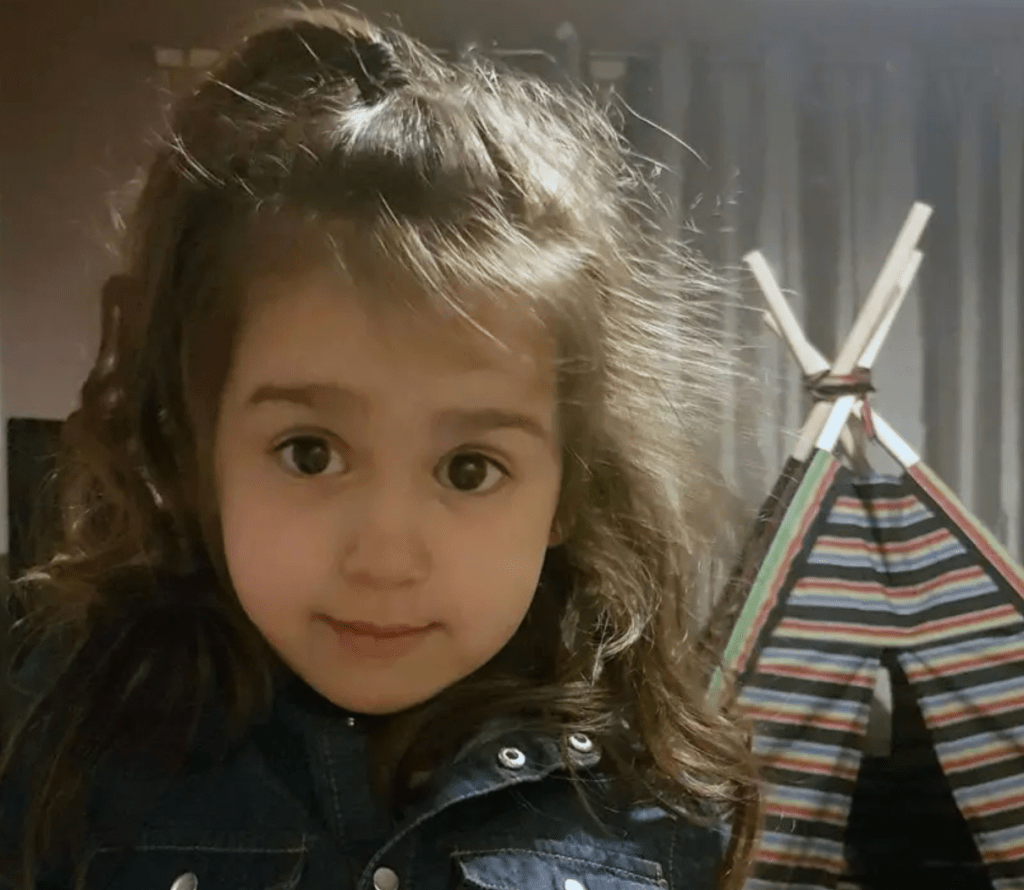
The appeal court in England and Wales, has today handed down its decision in the case of the anonymisation of the names of three judges involved in the Sara Sharif case. Calling attention to the decision in December, to anonymise the names of the three judges, two of whom are now retired, the media in the UK, led by Hannah Summers and Louise Tickle, appealed the order made by Mr Justice Williams.
The order made by Mr Justice Williams in December, also criticised Summers and Tickle, the latter of whom made a documentary called Torn Apart, which was based upon the self reports of mothers whose children had been removed by the family court in England and Wales. The criticism, which was labelled “unfair” by today’s Appeal Court decision, flagged the issue of one sided reporting on matters in what are often complex cases of abuse of children. The Sara Sharif tragedy is, without doubt, one such case.
The aspects of the Sharif case which are being pursued by the media appear to be focused upon who is to blame for the placement of Sara in her father’s care. In this respect the hunt for someone to blame begins with the Judge, but will no doubt involve an unfolding pursuit of the names of social workers and any experts who were involved. None of which brings Sara back and none of which will protect other children in the long run either. This is, however, a media approach we have grown used to in the UK, where pursuit of someone to blame, is part of an ideological agenda which puts the rights of adults before the protection of children. Whilst the hunt begins in this case, the problem at its heart, is overlooked. Even in the reporting of those who purport to be seeking transparency and justice in the family courts.
Sara, along with her siblings, told social workers that they felt safer with their father and step mother.
On December 14 2024, reporting on the basis of papers released to the press, Summers & Tickle wrote in the Guardian Newspaper, that the social worker had written –
“However, I do not have any concerns for the children remaining in the care of their father, as the children have reported being happy and feeling safe, and not suffering any form of physical harm in the care of their father and Beinash.”
The social worker appeared to be conclude, on the basis of what the children are saying, that their father, who had been flagged on several previous occasions between 2010 and 2015 as abusive, was a safe carer for his children. According to Sharif, Sara had told him that her mother (Domin) had abused her and as Summers & Tickle report in the same piece –
“at the hearing on 9 October, the judge put the recommendations of the social worker to Domin, who appeared without legal representation, and agreed to the children living with their father and her contact being supervised.”
The problem which lies at the heart of this case therefore, is not who is to blame for placing Sara with her father, but the dominant culture in social work which requires that people in positions of responsibility for the protection of vulnerable children, rely upon their stated wishes and feelings without analysis of the context in which those stated wishes and feelings arise. In my work with Local Authorities, training social workers to recognise how children who are being abused at home will hide that, through showing a strong allegiance and preference for a parent who has been found to be abusive, is my first task. Understanding how this allegiance hides the child’s fear and how the child’s allegations against the other parent can be part of a trauma bond, is a critical aspect of child protection work and it appears to have been completely missed in this case. Why it was missed? is the question we should all be asking.
In our work at the the Family Separation Clinic, allegations such as those made against Urfan Sharif, would be referred to the Court for a fact finding. In any analysis, the case of Sara Sharif had enough red flags for even the most junior of social workers to be cautious in their acceptance of Sharif’s claim that Sara had told him that her mother had abused her. Placement of a child on the basis of what children in these circumstances say, without contextual analysis or assessment of risk of harm, is a dangerous strategy, doing so without allegations being tested is even more so. It is this which put Sara at such risk of harm and it is this, in my view, which is where any work to tighten child protection measures should be focused.
Vulnerable children who are trauma bonded to abusive parents show particular behaviours, in this case, as in others, alignment with one parent and rejection of the other. When this behaviour is accompanied by allegations of abuse made by the child to the aligned parent, this should always flag concern because behind such patterns of behaviour, hides abuse by the aligned parent which the child cannot speak about due to the trauma bonded state of mind. This is why relying on wishes and feelings is such folly in cases of alignment and rejection, behind each and every case that I have been involved in, where a child has strongly aligned with a caregiver and rejected the other, where allegations against the rejected parent have been used by the aligned parent to gain and maintain control over the child, abuse has been hidden behind that pattern of behaviour.
The recently released Family Justice Council guidelines however, state that children’s behaviour cannot be relied as evidence of alienating behaviours and add that the guidelines –
“centralises the voice of the child, putting children back at the heart of cases concerning them.”
These guidelines, which are supported by groups who support mothers found to have abused their children, may place more children like Sara Sharif at risk of serious harm, by heightening the focus on their expressed wishes and feelings rather than taking responsibility for ensuring a proper and full analysis is undertaken.
Abused children cannot always tell the truth, especially when they have witnessed violence in the home, because their very survival relies upon regulating an abusive parent and so the only way they have, to show the outside world what is happening, is their behaviour. Ignoring that behaviour and relying instead on ‘centralising their voice’, is the real issue here because of the risk of harm that this brings, this is where our focus should be when we are seeking to prevent such tragedies from happening again.
Whilst the ideological media and other activists are in pursuit of someone to blame, we should, I would argue, stop and look at the very culture which has created this tragedy, a culture which repeatedly demands that children in family separation should be believed without question and that their voice and their wishes and feelings should be centralised. Sara Sharif’s wishes were centralised and her death was the tragic outcome of this.
The learning from this case is for me, that every decision made about a child who shows the behaviours of strong alignment and rejection, should be on the basis of a thorough child protection assessment which places their wishes and feelings in context of facts, and which makes decisions based upon their best interests, not what they say they want to happen.
In Sara’s case, this kind of analysis is tragically too late, for other children who are trauma bonded to abusive parents, it may just save their lives.

 Karen Woodall - Psychotherapist, Writer, Supervisor, Trainer