
During my summer break, I was sent a video by a young woman called Madison Welborne, who some readers may already know, is a recovered alienated child. In the video I watched, she explains why, having been invited to speak at the recent conference of a group that calls itself the Parental Alienation Study Group (PASG), she had decided not to. At the same time, I stumbled across a post from one of the leading people in PASG on Linkedin, which claimed that anyone who criticises the group is doing so because they are projecting their own issues onto it or alternatively, because they believe that their way is the only to resolve the problem which they call parental alienation. These two encounters, the second of which appeared to me to be a response to the first, prompted me to reflect upon my brief involvement with PASG between 2017 and 2019 and the reasons why I left.
I was interested in the video by Madison because I am always keen to hear the experiences of children and young people who are recovering and recovered from the impact of abuse in divorce and separation. Reading the commentary by the PASG academic whose claims of projection seemed to me to be somewhat ironic, given that Madison is a young person who has actually experienced AND recovered from the split state of mind which causes projection, I was reminded of how it felt to be a member of a group which ostensibly is supposed to be against the concept of alienation and yet which, by adopting a defensive stance to being criticised, falls into those exact patterns of behaviours which are seen when children are being pressured by adult concerns.
PASG is a group of individuals whose main aim is to have the Parental Alienation construct accepted into mainstream use. The construct and theory of Parental Alienation is based upon what is referred to as the Five Factor Model which utilises the eight signs of alienation curated by Richard Gardner. Parental Alienation theorists consider that the problem is a mental disorder in the child which is caused by high conflict. The primary relational concern within this paradigm is that of the loss of the relationship that the child has with a parent who is called the ‘targeted parent.’
Of course, Parental Alienation is only one way of understanding the issue. Others conceptualised the problem as the ‘alienated child’ and the AFCC conceptualises it as ‘resist/refuse’ dynamics, which is a label to describe the problem systemically and which seeks to reduce the polarisation within the family system.
I left PASG in 2019 when it became apparent that there was no space within its confines for either discussion or dissent about the way in which the problem is understood. As a clinician working with alienated children and their families, my interest went far beyond the constraints of creating and debating diagnostic and nosological constructs. At the Family Separation Clinic, we have always been primarily concerned with children’s mental health and development, and how to treat the problem effectively. Where possible, we also want to empower parents we consider to be in the rejected position, not because they are ‘targeted,’ but because they are bystanders to what is largely a transgenerational trauma pattern unfolding in and around the child. Working with the problem in the family courts had also shown us the limitations and risks that occur when untrained and unaware systems are permeated by the projections and belief systems of individuals.
As psychotherapists we are always curious about what lies beneath the presenting patterns of those we work with and in families where children become alienated. Our drive to understand and work with the dynamics which are configured around the child is strong. In 2019, when the leadership of PASG were concerned with the idea of ‘speaking with one voice,‘ our drive to explore and develop new routes to working with families were repeatedly shut down within the group, leading us to wonder what the purpose of the group was (and is) if it is not to bring about large scale change in the lives of the children who are seriously harmed by this problem.
The leadership of PASG like to promote the group as being a ‘big tent’ which apparently means that it welcomes everyone and provides space for discussion, debate and dissenting voices. This claim, which I have seen recently repeated on Linkedin by one of its leading voices, is ‘evidenced’ by that further claim that anyone who is disparaging of PASG must either be projecting their own unresolved material onto the group or be someone who believes that only their own approach is the right approach to resolving the problem; a rather big claim from an academic without any experience in psychodynamics, and a claim which in itself underscores the lack of safety within the group for anyone who does not agree with the aims of the leadership.
As someone working clinically with the problem, I frankly object to the idea that PASG should not be criticised. I also object to the idea that there cannot be open discussion about approaches which have, for the past four decades, failed to resolve the problem for the children who have suffered so badly. Whilst I was lambasted by Dr Childress for several years for failing to take his side in a binary fight between Parental Alienation Theory and his attachment based approach and, whilst I was targeted and harassed by some really unpleasant people for refusing to discuss the issue with him, I understood then and firmly believe now, that progress can only be made when we tangle with what we disagree with. That is not what happens in PASG in my experience and in many respects, the PASG ‘big tent’ that I was involved in, was not the forum for open discussion I had hoped for, but a group which holds a covert, almost cult-like adherence to a set of diagnostic criteria which are, frankly, useless when it comes to treatment of the problem.
My main reason for writing this article today is to support the voices of children and young people who have suffered this problem for decades without any resolution and barely any progress made in terms of educating the wider world about this hidden harm at home. I think it is wrong of people in PASG to claim that those who criticise it are projecting their own issues onto the group; it is an easy way to dehumanise and devalue anything that is said by anyone who dissents. I also think it is wrong to let people believe that PASG is successful in changing the lives of alienated children. PASG may be successful in providing collegiate conferences for those who believe in the PA construct and I am certain that it provides an umbrella in the storm for many lost and bewildered parents who believe they are supporting a good cause when they are really supporting a continued drive to achieve global acceptance for a constuct which has already been rejected around the world. What PASG is not successful in doing is bringing together those with the interest and curiosity to create lasting change for children who are alienated and that is where, for me, the problem with PASG really lies.
I agree with Madison when she says that we should be working to find treatment routes and resolution for the children who are affected by this problem, I agree that anyone who is concerned about the abuse of children should focus all of their energies in that direction. When we realised that PASG did not allow for creativity, expansion of ideas and exploration of all of the component parts of the problem, we left. Since then our work has developed, our successful treatment routes have improved and increased and our capacity to support parents to become therapeutic parents to their children has taken flight. Working with lost and hurting parents to help them to heal their pain and shift from reacting to responding to their children creates a paradigm shift in the whole family system. Parents who take this road to health, grow in stature and in strength because their role in their children’s lives is properly understood and supported.
Young people who have recovered should be welcomed into this space not dismissed, especially when they are able to work alongside adults who can support and protect them. In my view, it will be those children and young people, and the parents who have worked so hard to be there for them when they come home, who will overturn the ignorance of the professionals who tell the world that this is about ‘high conflict, contact or complex divorce’ when in reality it really is not. All of these descriptions are ways that people who claim expertise in this field, show their lack of understanding of what it is they are looking at when a child aligns with an abusive caregiver.
This is an attachment trauma which is transgenerational in nature and which is threaded through with dynamics of power and control, primitive defences and projective entanglements. When understood in its component parts it can be successfully worked with and parents in the rejected position, who are not targets but powerful healing resources when they are properly supported, can become better therapists for their children than anyone I know who works in this space, including me.
Change comes when we challenge the blocks and barriers to progress both internally and externally and when we recognise that dissent creates opportunity for growth and healing. I am writing this piece now, not to take sides and not to create conflict with anyone but to express my own experience and to state clearly that the claim that PASG is a big tent which is creating change for alienated children is, in my view, simply not true. PASG is a group of people who conceptualise the problem from one, in my view, failed perspective and who continue to focus on the idea that academic claims of scientific rigour, in order to have the issue embedded within the DSM or ICD-11, are enough to resolve the problem worldwide.
There are many ways of conceptualising this issue, many of which were written into the scientific literature decades ago and many are currently being written now, by clinicians and academics from adjacent fields as well as those who specialise in working with the problem. There are also a growing number of young people who will, eventually, lead the way in challenging the world to change its mind about what is really happening when children are abused in divorce and separation. Those children and young people should be listened to, their testimony should be central to everything that we, as people concerned with their mental health, do.
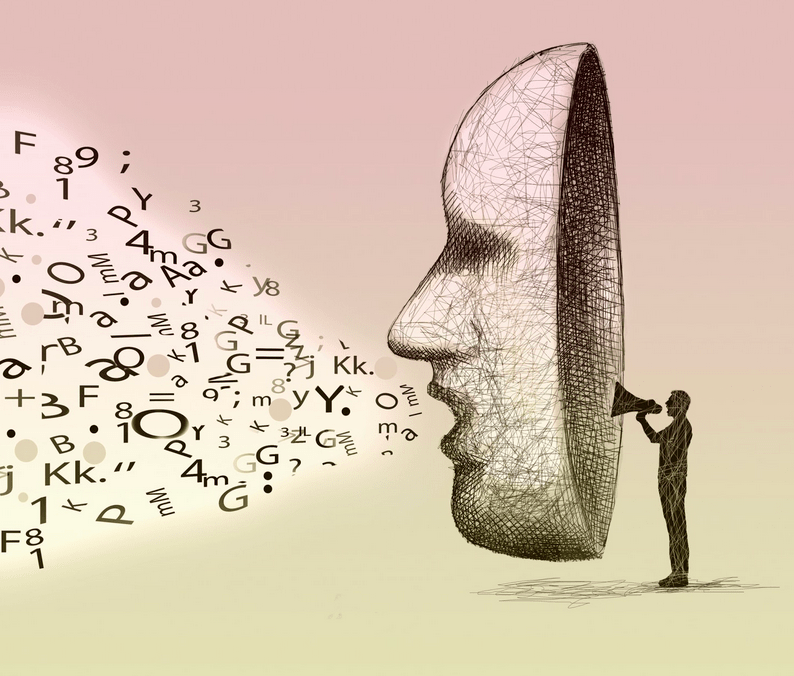
Silencing dissent is what cults do, silencing children’s dissenting voices is what alienating parents do. The voices of abused children will lead the way to worldwide recognition of this problem and anyone concerned with prevention of this hidden form of child abuse, will silence them at their peril.
NB: I have not written this post to put myself on the side of anyone in this field of work. I am not interested in taking sides or joining forces or being the person whose work is credited with resolving the issue. I have been variously accused of crusading in Europe (by PASG), blocking the path to the solution (by Dr Childress) and causing the death of children and young people (by a particularly unpleasant person from Europe). I have also been accused of fraud, theft and selling property for personal gain (by a woman in London who stalked me for several years), abusing children and causing iatrogenic harm by a UK counselling psychologist expressing her professional jealousy. In addition to that I have been harassed by journalists, sent emails with long lists of things I will be accused of in the mainstream media, lied about, stalked and relentlessly denigrated on social media for the past decade, all for standing up for abused children and writing about our drive to find a replicable resolution for alienated children. I have seen it all and experienced the impact and I neither wish to reignite that energy nor re-enter the battle. I am now focused upon developing those successful treatment routes which are shown to change the lives of alienated children and writing about it to help families to heal from the harm that this trauma causes. I wrote this piece today, not to take sides or to cause trouble but to give weight and support to the voices of alienated children who in my view, deserve better than what they have received from professionals in the past four decades.

 Karen Woodall - Psychotherapist, Writer, Supervisor, Trainer